
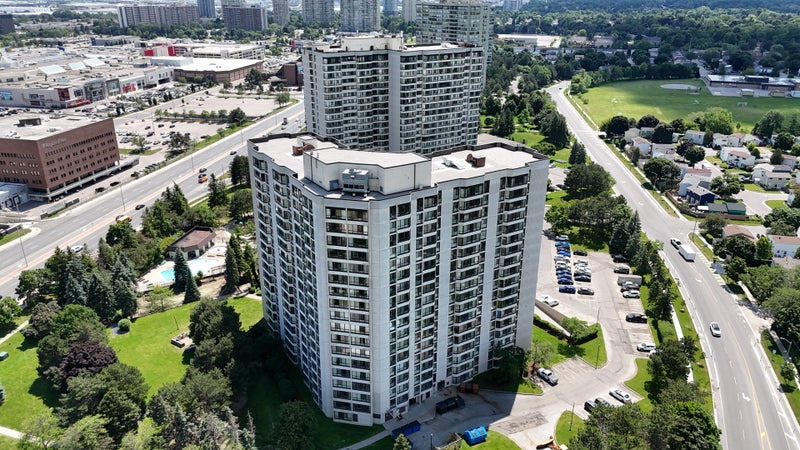
Brampton continues to attract renters seeking more space and flexibility, while Toronto continues to attract those who want to live close to entertainment and cultural hubs. As rental competition tightens across the GTA, many renters find themselves weighing these two cities against each other. Evaluating their budgets, with potential commute and preferred lifestyle choices.
This guide breaks down what renters should know when choosing between Brampton and Toronto. The “right” choice isn’t just about rent prices, but about comparing cost, commute, square footage, day-to-day lifestyle, and where you want to live.
Cost of Rent: Brampton vs. Toronto
The cost of rent is often the first comparison renters make, and for good reason. Prices fluctuate by neighbourhood and suite type. Brampton may offer more square footage for nearly the same monthly cost as in Toronto.
Instead of focusing on price alone, it’s helpful to compare what that rent actually gets you. According to data collected from current rental market trends as of February 2026, the average rental costs are:
For a better understanding of costs for rental types, the following table breaks down costs tailored for what prospective renters may be looking for:
Brampton Cost and Suite Styles
|
Rental Type |
Brampton Costs |
Examples |
|
Studios |
Median costs at $1,472 |
Available in low or high-rise apartments or basement suites |
|
One-bedroom suites |
Median costs at $1,899 |
Often more square footage, sometimes in low-rise communities or houses |
|
Two-bedroom suites |
Median costs at $2,300 |
More common in high rises, townhomes or mid-rise communities |
|
Three-bedroom suites |
Median costs at $2,700 |
Townhomes and house-based suites are more widely available |
|
Four-bedroom suites |
Median costs at $3,000 |
Larger townhomes and houses are less common |
Toronto Cost and Suite Styles
|
Rental Type |
Toronto Costs |
Examples |
|
Studios |
Median costs at $1,735 |
Located in apartment buildings or as rooms for rent |
|
One-bedroom suites |
Median costs at $2,100 |
Typically, condos or high-rise suites with compact layouts |
|
Two-bedroom suites |
Median costs at $2,700 |
Higher demand, often at a premium for the location |
|
Three-bedroom suites |
Median costs at $3,400 |
Limited supply, usually outside the downtown core |
|
Four-bedroom suites |
Median costs at $4,200 |
Priced higher to stay in the urban core or further out of downtown |
Overall, Brampton offers more space and is more appealing to budget-conscious renters, while Toronto offers prime downtown living for a convenient lifestyle.
Many renters would benefit from factoring in commuting expenses, parking, and time spent travelling. A lower rent paired with higher transit costs may balance out differently depending on your routine and preferred lifestyle.
- Prefer walking, biking or taking public transportation
- Owning a car
Commute and Transportation
Commute time plays a major role in quality of life, especially for renters who work in Toronto but live elsewhere in the GTA.
Brampton
- GO Transit connections to downtown Toronto
- Brampton Transit buses linking neighbourhoods to GO stations
- Direct access to Highways 410, 407, and 401 for convenient car access
- Commute times can vary widely depending on location and time of day
Toronto
- TTC subway, streetcar, and bus networks are available for commuting
- Walkable access to employment hubs in the downtown core to save on car costs
- Shorter commute times for those working nearby
- Less reliance on personal vehicles in central neighbourhoods
For renters commuting downtown daily, travel time can become a “hidden cost” and time-consuming. Longer commutes may be offset by larger living spaces, but considering the trade-off before committing could save time and money.
Space, Housing Types, and Lifestyle
Where you live shapes how you spend your time at home and beyond.
Brampton
- Larger suites offer more storage and flexible layouts
- Townhomes and house-based rentals are more common
- Suburban communities with quieter streets
- Suited to work-from-home setups or living with roommates or family
Toronto
- Condos and high-rise communities dominate
- Smaller suites with efficient layouts
- Urban living that may offer panoramic cityscape and waterfront views
- Ideal for renters who prioritize walkability and proximity to work and amenities
Lifestyle preferences often matter as much as floor plans. Some renters value space to spread out, while others prefer being steps away from transit, grocery stores and entertainment.
Amenities, Schools, and Community
Brampton
Brampton is known for its strong sense of community and family-oriented amenities.
- Educational institutions include schools within the Peel District School Board and the Dufferin-Peel Catholic District School Board, as well as post-secondary institutions such as Sheridan College (Davis Campus).
- Libraries, such as Brampton Four Corners Library and South Fletcher’s Library, offer study space and resources for all ages.
- Parks and green spaces, including Gage Park, Heart Lake Conservation Area, and Chinguacousy Park, create a slower-paced environment that appeals to long-term residents.
Outdoor space is more abundant, and daily errands often revolve around local plazas and community hubs.
Toronto
Toronto is defined by its dense, urban neighbourhoods and access to a wide range of amenities within walking or transit distance.
- Educational institutions include schools within the Toronto District School Board and the Toronto Catholic District School Board, as well as post-secondary campuses such as the University of Toronto, Toronto Metropolitan University, and George Brown College.
- Libraries, including the Toronto Reference Library and numerous neighbourhood branches, provide study areas, digital resources, and community programming across the city.
- Parks and green spaces, such as High Park, Trinity Bellwoods Park, and the Toronto waterfront trails, offer outdoor space within a fast-paced urban setting.
Different life stages often influence which city feels like a better fit. Considering other amenities offered by restaurants, cultural venues, and fitness studios can influence renters. Families may lean toward Brampton’s community-led appeal, while students and young professionals often prioritize Toronto’s accessibility and city energy.
Safety, Noise, and Neighbourhood Feel
Every city has a mix of lively and quieter areas, and neighbourhood choice often matters more than the city itself.
In Brampton, the downtown core offers more activity and transit access, while neighbourhoods such as Bramalea tend to feel calmer and more residential.
In Toronto, neighbourhoods like King West and Downtown East are energetic and social, while areas such as East York, The Beaches, or parts of North York offer a quieter pace with residential streets.
Visiting neighbourhoods at different times of day can reveal a lot about noise levels, traffic, and overall atmosphere. Exploring available suites by neighbourhood is often the best next step.
View Available Brampton Apartments
View Available Toronto Apartments
Who Should Choose Brampton vs. Toronto?
Many renters find clarity by looking at real-life scenarios.
- You value space and budget stability
- Brampton may offer more flexibility and room to grow
- You want a shorter commute and a stronger urban lifestyle
- Toronto may better support your daily routine
- You split time between home and downtown work
- Comparing rent savings against commute costs can help narrow the decision
Making a simple pros-and-cons list often brings priorities into focus.
Brampton vs. Toronto: At-a-Glance Comparison
|
Factor |
Brampton |
Toronto |
|
Monthly rent |
Generally lower for more space |
Higher for central locations |
|
Commute |
Longer for downtown workers |
Shorter if living near work |
|
Housing types |
Townhomes, larger suites |
Condos, high-rise living |
|
Lifestyle |
Suburban, community-oriented |
Urban, fast-paced |
|
Best for |
Families, remote workers |
Professionals, students |
Final Thoughts
Finding the right rental in the GTA involves choosing the city that fits your routines and long-term plans. Cost, commute, space, and lifestyle all play a role, and understanding the trade-offs makes the decision far more manageable.
By comparing rent value, transportation options, neighbourhood feel, and daily amenities, renters can move forward with confidence and focus their search where it matters most.
Browse our Brampton Rentals by Neighbourhood